
Click the escape button above to immediately leave this site if your abuser may see you reading it.
-
Health and Wellness
- Getting Active
- Healthy Eating
- Healthy Living by Age
- Healthy Weight
- Mental Health
- Relationships and Safety
-
Diseases and Conditions
- Cancer
- Heart Disease and Stroke
- HIV and AIDS
- Lupus
-
Reproductive Health
- Breastfeeding
- Menopause
- Menstrual Cycle
- Ovulation Calculator
- Pregnancy
- Patient Materials
- Home
- Relationships and Safety
- Domestic or intimate partner violence
- Breiding, M.J., Basile, K.C., Smith, S.G., Black, M.C., Mahendra, R.R. (2015). Intimate Partner Violence Surveillance: Uniform Definitions and Recommended Data Elements, Version 2.0. Atlanta, GA: National Center for Injury Prevention and Control, Centers for Disease Control and Prevention.
- Campbell, J.C., Webster, D., Koziol-McLain, J., Block, C., Campbell, D., Curry, M.A., et al. (2003). Risk Factors for Femicide in Physically Abusive Intimate Relationships: Results From a Multisite Case Control Study. American Journal of Public Health; 93(7): 1089-1097.
- Petrosky, E., Blair, J.M., Betz, C.J., Fowler, K.A., Jack, S.P., Lyons, B.H. (2017). Racial and Ethnic Differences in Homicides of Adult Women and the Role of Intimate Partner Violence – United States, 2003-2014. MMWR; 66(28): 741-746.
- Breiding, M.J., Basile, K.C., Smith, S.G., Black, M.C., Mahendra, R.R. (2015). Intimate Partner Violence Surveillance: Uniform Definitions and Recommended Data Elements, Version 2.0. Atlanta, GA: National Center for Injury Prevention and Control, Centers for Disease Control and Prevention.
- Campbell, J.C., Webster, D., Koziol-McLain, J., Block, C., Campbell, D., Curry, M.A., et al. (2003). Risk Factors for Femicide in Physically Abusive Intimate Relationships: Results From a Multisite Case Control Study. American Journal of Public Health; 93(7): 1089-1097.
- Petrosky, E., Blair, J.M., Betz, C.J., Fowler, K.A., Jack, S.P., Lyons, B.H. (2017). Racial and Ethnic Differences in Homicides of Adult Women and the Role of Intimate Partner Violence – United States, 2003-2014. MMWR; 66(28): 741-746.
-
Kathleen C. Basile, Ph.D., Lead Behavioral Scientist, Division of Violence Prevention, National Center for Injury Prevention and Control, Centers for Disease Control and Prevention (CDC)
-
Kathryn Jones, M.S.W., Public Health Advisor, National Center for Injury Prevention and Control, Centers for Disease Control and Prevention (CDC)
-
Sharon G. Smith, Ph.D., Behavioral Scientist, National Center for Injury Prevention and Control, Centers for Disease Control and Prevention (CDC)
-
Rape, Abuse & Incest National Network (RAINN) Staff
Popular topics
Relationships and Safety
Call the OWH HELPLINE: 1-800-994-9662
9 a.m. — 6 p.m. ET, Monday — Friday
OWH and the OWH helpline do not see patients and are unable to: diagnose your medical condition; provide treatment; prescribe medication; or refer you to specialists. The OWH helpline is a resource line. The OWH helpline does not provide medical advice.
Please call 911 or go to the nearest emergency room if you are experiencing a medical emergency.Share Facebook TwitterRelationships and Safety
Click the escape button above to immediately leave this site if your abuser may see you reading it.
Relationships, Safety, and Violence (PDF, 109 KB)
Sources
Find a Health Center
Enter a city, ZIP code (such as 20002), address, state, or place
Subscribe
To receive Violence Against Women email updates
Domestic or intimate partner violence
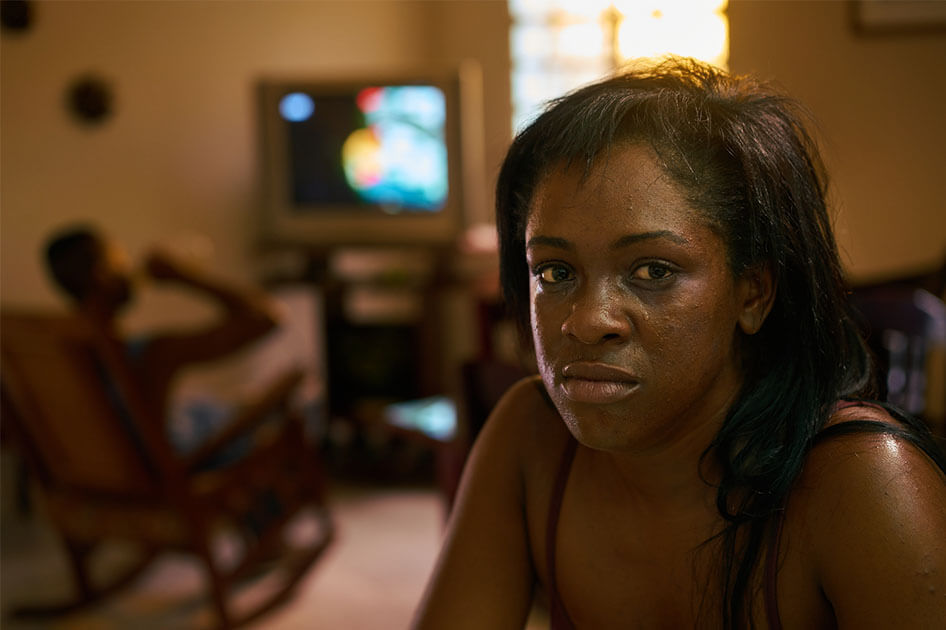
Domestic violence is sometimes called intimate partner violence. It includes physical, sexual, or emotional abuse, as well as sexual coercion and stalking by a current or former intimate partner.1 An intimate partner is a person with whom you have or had a close personal or sexual relationship. Intimate partner violence affects millions of women each year in the United States.
Relationships and Safety resources
Click the escape button above to immediately leave this site if your abuser may see you reading it.
Relationships, Safety, and Violence (PDF, 109 KB)
Sources
Find a Health Center
Enter a city, ZIP code (such as 20002), address, state, or place
Subscribe
To receive Violence Against Women email updates
The Office on Women's Health is grateful for the medical review in 2017 by:
All material contained on these pages are free of copyright restrictions and may be copied, reproduced, or duplicated without permission of the Office on Women’s Health in the U.S. Department of Health and Human Services. Citation of the source is appreciated.
Page last updated: June 07, 2018.
Programs and Activities
Popular Topics
Find Help
Stay Connected
A federal government website managed by the Office on Women's Health in the Office of the Assistant Secretary for Health at the U.S. Department of Health and Human Services.
200 Independence Avenue, S.W., Washington, DC 20201
1-800-994-9662 • Monday through Friday, 9 a.m. to 6 p.m. ET (closed on federal holidays).
Popular topics
Popular topics


